Healing The Wounded Heart
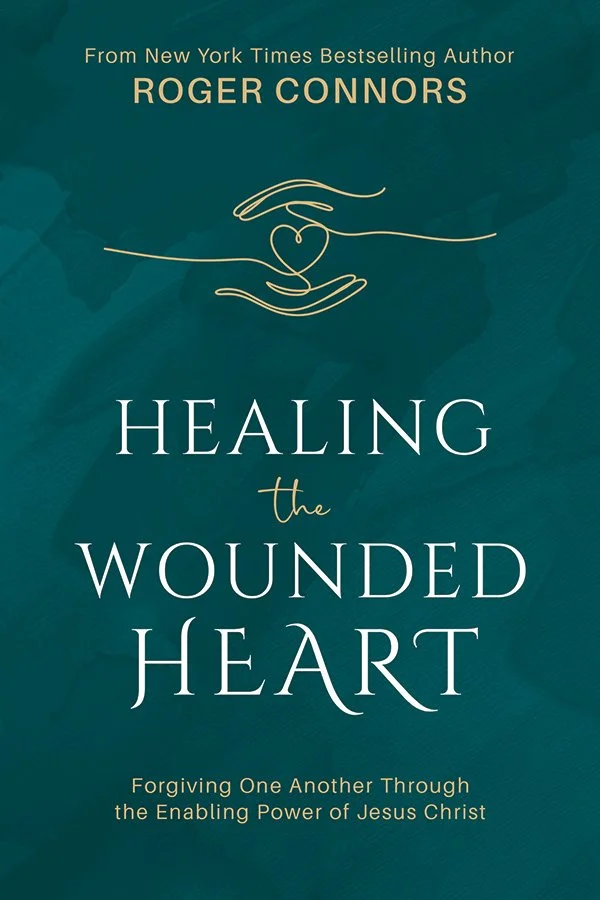
Forgiving One Another Through the Enabling Power of Jesus Christ
By Roger Connors
Forgiveness is one of the most powerful—and most difficult—principles in the gospel of Jesus Christ. The Savior taught plainly, “Of you it is required to forgive all men” (Doctrine and Covenants 64:10). Yet for many people, the command to forgive raises profound questions. What does it really mean to forgive? How do we forgive someone who has deeply hurt us? Does forgiveness mean excusing wrongdoing, forgetting the offense, or allowing injustice to go unaddressed?
Healing the Wounded Heart explores these questions with doctrinal clarity, practical insight, and deep compassion for those who carry real wounds. Drawing on the teachings of Jesus Christ, the words of modern prophets and apostles, and insights from mental health research, this book provides a thoughtful guide to understanding and applying the Lord’s command to forgive. One of the central insights of the book is the distinction between two kinds of forgiveness found in the scriptures: divine forgiveness and brotherly forgiveness. Divine forgiveness is the pardon that only God can grant. Through the Atonement of Jesus Christ, sins are remitted and souls are reconciled to God when the conditions of repentance are met.
Brotherly forgiveness, by contrast, is what the Lord commands His disciples to extend to one another. It does not remove sin or replace divine justice. Rather, it is the Christlike decision to release resentment, let go of the desire for revenge, and trust God to judge righteously. Understanding this distinction helps resolve many common misunderstandings about forgiveness. When we forgive others, we are not excusing wrongdoing or pretending the offense did not occur. Instead, we are placing justice in God’s hands and opening our hearts to the healing power of the Savior’s Atonement.
The Three Rs of Brotherly Forgiveness
At the center of Healing the Wounded Heart is a doctrinal framework called The Three Rs of Brotherly Forgiveness—Restitution, Reconciliation, and Repentance. These principles describe three ways complete healing can occur when someone has been wronged. Together they help explain how the Atonement of Jesus Christ ultimately resolves every injustice.
Restitution
When someone harms us, something real is lost—peace, trust, opportunities, reputation, safety, or even relationships. In the process of repentance, the offender is responsible to seek restitution wherever possible in order to receive the gift of divine forgiveness from God. Yet the offended person does not need to receive restitution in order to extend brotherly forgiveness. Through His infinite Atonement, Jesus Christ has already secured the power to restore every loss caused by sin. Because the Savior has ultimately “purchased and paid for” every injustice, we can release the burden of demanding repayment and trust Him to make all things right.
Reconciliation
Reconciliation refers to the healing and restoration of relationships. For disciples of Jesus Christ, reconciliation should always remain the hoped-for outcome. While there are circumstances where reconciliation may not be possible in this life, followers of Christ should strive toward it. wherever possible—not forcing it prematurely, but anticipating it, hoping for it, and remaining open to it as hearts soften and healing occurs.
Repentance
When we are offended, it is also possible that we have contributed to the conflict in ways we may not initially recognize. We may have misunderstood motives, misinterpreted actions, judged too quickly, or responded in ways that were not Christlike. Repentance invites the offended to examine their own hearts, acknowledge where they may have erred, and seek forgiveness from God. This humility can open the door to deeper understanding and healing.
In addition to its doctrinal foundation, Healing the Wounded Heart also explores forgiveness through the lens of modern mental health research. Over the past several decades, psychologists and therapists have developed structured approaches to help individuals work through resentment, trauma, and emotional wounds. This book introduces readers to three of the most widely recognized forgiveness models used in secular counseling and psychotherapy, showing how their insights align with and reinforce the Savior’s teachings about forgiveness. Ultimately, Healing the Wounded Heart is an invitation—to trust the Atonement of Jesus Christ, release the burdens of the past, and experience the liberating peace that comes from offering forgiveness.
Table of Contents
Introduction: The Miraculous Healing Power of Offering Forgiveness
Part 1: The Doctrine of Forgiving Others
Chapter 1: Of You It Is Required to Forgive All Men
Chapter 2: What Does It Mean to Forgive
Chapter 3: Why Only Jesus Christ Has the Power to Forgive Wrongdoing
Part 2: The Three Rs of Brotherly Forgiveness
Chapter 4: The First R—How Restitution Leads to Complete Healing
Chapter 5: The Second R—How Reconciliation Leads to Complete Healing
Chapter 6: The Third R—How Repentance Leads to Complete Healing
Part 3: Living the Divine Decree to Forgive
Chapter 7: The Poison of Revenge and the Trap of Unforgiveness
Chapter 8: How Forgiveness Heals Your Mental Health and Well-being
Chapter 9: When Forgiving Yourself and Others Feels Impossible
Conclusion: The Decision to Forgive and the Christlike Invitation to Be a Peacemaker